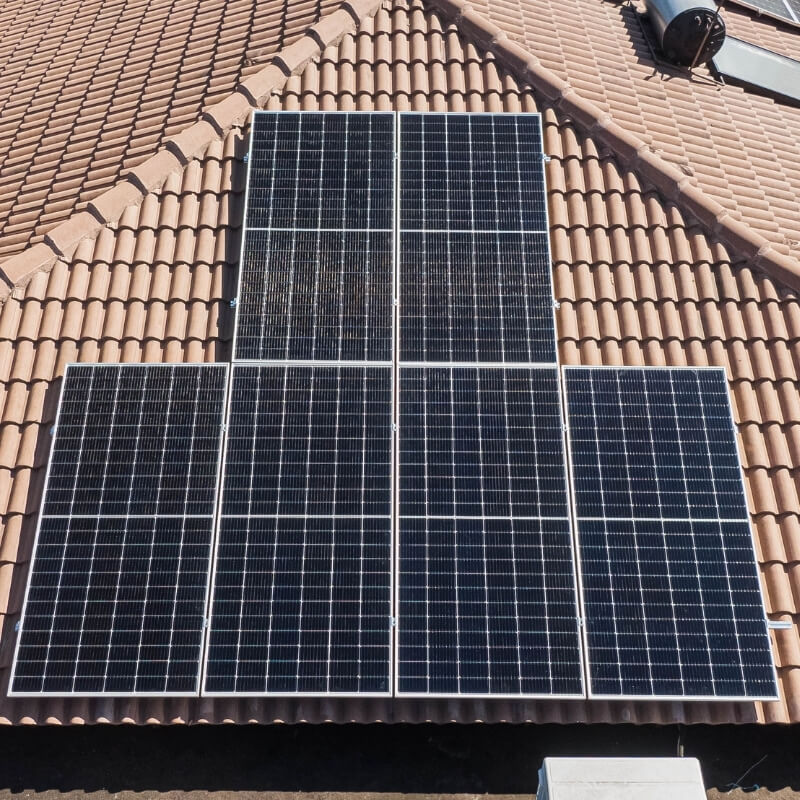
Salaamedia speaks to Eddy Mokobodi, Director Renewable Energy and Battery Storage at Sakisa Energy and Technology Group
The energy crisis and frequent load shedding have pushed many South Africans to seek reliable power alternatives. Solar power stands out as a leading solution, offering a path to greater independence from the national grid. However, with many service providers entering the market, it’s vital to know how to choose wisely and avoid potential scams. This guide will walk you through essential considerations for installing solar, whether you aim to go fully off-grid or simply reduce your reliance on traditional electricity.
Understanding Your Off-Grid Journey
Many people talk about “going off-grid,” but this can mean different things. For most, it means becoming less reliant on the main electricity supply, especially during outages. A full transition to off-grid living is possible but requires careful planning and a significant investment.
Starting Partially Off-Grid
Totally cutting off your connection to the main electricity line is a big step. It is often not the first choice for most households. Instead, many start by reducing their dependence on the grid with a hybrid solar system.
This approach means you still have a connection to the main power supply but use solar energy as your primary source. You draw less electricity from the grid. This helps during load shedding and lowers your monthly electricity bill. For example, if you use 1,000 units of electricity a month, a hybrid system might help you reduce that to 500 or even 300 units. This depends on your budget and system size.
A partial off-grid setup lets you build your solar system over time. You can add more panels and batteries as your budget allows. This makes the journey to energy independence more manageable and affordable.
The True Meaning of Going Off-Grid
When people say they want to go off-grid, they usually mean they want to be protected from load shedding. They want to be less exposed to power cuts. This is true for about 80% of consumers. It is important to decide if you want to:
- Completely disconnect from the grid: This means you generate all your own power.
- Be less reliant on the grid: This means you use solar power to reduce your electricity usage. You still have a connection to the main power supply for backup.
Understanding your goal helps service providers design the right system for you. It also ensures you get what you expect from your investment.
Key Factors When Choosing Solar
Getting a solar system is a big decision. You need to consider several important factors before you buy. This includes the high costs, the right system size, and how long the system will last.
The Cost Factor
Solar power systems are a significant investment. Prices can range widely based on the size and technology you choose. Smaller home systems might cost between R90,000 and R100,000. Larger, more advanced systems can go up to R150,000 or even R200,000.
Not everyone has a large sum of money available upfront. Many companies offer flexible solutions to help you start your solar journey.
- Start small with an inverter and battery: An entry-level setup, like a 5-kilowatt inverter and battery, might cost around R55,000 to R60,000. This system keeps your essential appliances running during load shedding. It is a good starting point for many households.
- Expand your system over time: Once you have the basic backup system, you can add solar panels to generate your own electricity. Later, you can add more batteries and panels to increase your energy independence. This phased approach makes solar power more accessible.
It is wise to align your solar plans with your budget. This ensures you get a system that meets your immediate needs without overspending.
Assessing Your Household Energy Needs
Before installing solar, a detailed assessment of your home’s energy use is crucial. This helps determine the right system size. It also helps figure out if you need to be partly or fully off-grid.
- High-usage appliances: Heating appliances use the most electricity. These include geysers, electric stoves, and kettles.
- Lower-usage appliances: Lights, plugs, and televisions use much less power.
For an average household, it is best to start with a system that covers your lights, plugs, and TVs. This protects you from load shedding for your daily essentials. Geysers and electric stoves are typically not included in initial solar setups. They require larger, more expensive systems.
Alternatives for High-Energy Appliances
To further reduce your reliance on electricity for high-usage items, consider these alternatives:
- Gas stoves: These are a great way to cook without using electricity.
- Solar geysers: These use the sun’s energy to heat water, drastically cutting down on electricity use.
- Gas geysers: These provide hot water on demand using gas.
By switching to these alternatives for your heating needs, your overall electricity use drops significantly. This makes it easier and more affordable to cover the rest of your home with solar power.
Accounting for Existing Backup Systems
If you already have a generator or an inverter, your solar system design should factor this in. A well-designed solar system can connect with your existing generator. This allows it to work together to power your entire house when needed. This approach uses your current investments and creates a more robust power solution.
Lifespan of Solar Components
Understanding how long your solar components will last helps you plan for future maintenance and replacements.
- Solar Panels: These are designed to be very durable. They typically last between 20 and 25 years.
- Batteries: Most good lithium batteries come with a 10-year warranty. They are expected to last beyond this warranty period, perhaps 10 to 15 years or even 12 years. The actual lifespan can depend on how often they are charged and discharged (their “cycles”).
- Inverters: These generally have a 5-year warranty.
When choosing a service provider, always ask about the warranties for all components. This ensures you are investing in a system that will provide long-term benefits.
Avoiding Scams and Choosing a Reliable Provider
The booming solar market has brought many new service providers. It is important to be cautious. Not all companies are truthful about their offerings. Look for a provider who is transparent and honest about what their system can deliver.
What to Look Out For:
- Over-promising: Be wary of companies that promise immediate, full off-grid solutions at very low prices. Going fully off-grid is complex and expensive. It requires considering factors like weather, battery size, and overall system size.
- Detailed Assessments: A reliable provider will always do a detailed assessment of your specific needs. They should not offer a one-size-fits-all solution. This assessment helps determine if you need to be partly or fully off-grid. It also helps tailor the system to your budget and energy use.
- Transparency: A trustworthy company will explain the process clearly. They will tell you about the costs, what the system can and cannot do, and the lifespan of each component.
- Phased Approach: A good service provider will often suggest a phased approach. This means starting with a system that meets your most urgent needs (like backup during load shedding). Then, you can expand it as your budget grows. This shows they are thinking about your long-term success, not just making a quick sale.
By doing your research and asking the right questions, you can find a reputable solar installer. This will ensure your investment in solar power is secure and effective.
Conclusion
Making the switch to solar power offers significant relief from the ongoing energy challenges. It provides greater energy independence and peace of mind. Whether you are aiming for partial or full off-grid living, understanding your needs, planning your budget, and choosing a trustworthy service provider are critical steps.
Start by covering your essential needs with an inverter and battery. Then, expand your system with solar panels and additional batteries as your finances allow. This flexible approach makes solar accessible to more households. Always prioritize transparent providers who offer realistic solutions and strong warranties.
For personalized advice and to explore your solar options, you can reach out to Eddy Mokobodi, Director of Renewable Energy and Battery Storage at Sakisa Energy and Technology Group. You can contact them on WhatsApp at 076 539 9432.