Load shedding isn’t going away anytime soon, and for many South African homeowners, the constant disruption has become more than just an inconvenience. It affects work-from-home productivity, food storage, security systems, and everyday living. If you’re tired of planning your life around Eskom’s schedule, it’s time to look at solar power and battery backup as a long-term solution.
In this guide, we’ll walk you through exactly how to beat load shedding in 2025 with the right residential solar installation, including system types, costs, and the benefits you can expect.
Step 1: Decide on the Level of Backup You Need
Before choosing a system, think about what you want to keep running during a power outage. Do you simply need lights, Wi-Fi, and a few essential appliances? Or do you want to power more devices and reduce your reliance on the grid entirely?
SAKISA Energy & Technology Group offers four smart solutions tailored for South African households:
- Battery Backup Only (5 kW) – At R59,999, this setup gives you peace of mind during load shedding by keeping your lights and essential appliances running. It uses a 5 kW inverter paired with a 5–5.5 kWh lithium-ion battery. Perfect for homeowners who want reliable backup without the upfront cost of solar panels.
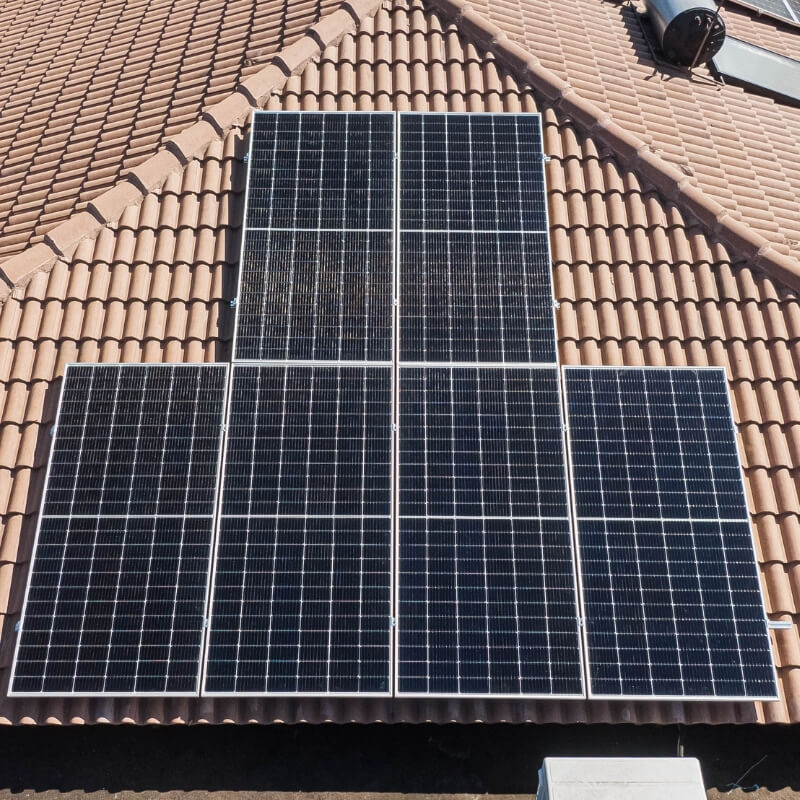
- Entry-Level Solar + Battery (5 kVA Enter Solar) – For R94,999, you get a 5 kW Kodak inverter, 5 kWh lithium-ion battery, and 4x 460 W solar panels. This means you can generate power during the day while storing excess energy for evening outages.
- Expanded Solar Package (5 kVA Enter + Solar) – Priced at R136,999, this package upgrades you to a 5 kW Sunsynk inverter, the same 5 kWh lithium-ion battery, and 8x 460 W solar panels. Ideal for households wanting more generation capacity to cover a wider range of appliances.
- High-Capacity Solar (8 kVA Lead Solar) – At R198,999, this top-tier package powers even larger households. It features an 8 kW Sunsynk inverter, 10x 460 W solar panels, and dual 5 kWh lithium-ion batteries for extended backup.
Step 2: Understand How Solar Fits Your Lifestyle
Installing a residential solar system isn’t just about beating load shedding, it’s about regaining control over your home’s energy supply. With solar, you can:
- Avoid the frustration of blackouts disrupting your day.
- Lower your monthly electricity bills.
- Increase your property value.
- Enjoy a quieter, cleaner alternative to generators.
A smaller backup battery system might be enough for light users who mainly want to bridge load shedding gaps. But if you’re looking for long-term energy independence, adding solar panels ensures you’re producing your own electricity and storing any excess for when you need it most.
Step 3: Compare Costs and Benefits
While the upfront investment may seem significant, it’s important to weigh it against what you’re currently losing during outages. Spoiled food, downtime, generator fuel costs, and the stress of living on Eskom’s timetable are all factors that affect the final costs you need to consider.
For many households, even an entry-level solar package begins paying for itself within a few years, thanks to reduced grid reliance and protection from ever-rising electricity tariffs. Financing options are also available to make the transition more affordable.
Step 4: Choose a Trusted Installer
The performance and lifespan of your solar system depend heavily on the quality of the installation. SAKISA Energy & Technology Group’s residential solar installations are designed specifically for South African conditions, using robust components that deliver maximum performance year-round. All packages include installation, accessories, and after-sales support to ensure your system runs smoothly from day one.
Step 5: Take the First Step Toward Energy Freedom
Beating load shedding in 2025 doesn’t have to be complicated. By choosing the right solar and battery backup system for your needs, you can protect your home from outages, save money, and enjoy the comfort of uninterrupted power.
Whether you start small with a 5 kW battery backup or go all-in with a high-capacity solar package, SAKISA Energy & Technology Group will guide you every step of the way – from system selection to professional installation.
By following these five steps, you can take the guesswork out of going solar and move forward with confidence. We’re here to make the process smooth, transparent, and tailored to your unique needs so you can start enjoying reliable, cost-effective, and sustainable power as soon as possible.
SAKISA Energy & Technology Group is a PV Green Card–accredited, SANEDI-registered ESCo (Energy Services Company) delivering cutting-edge renewable energy solutions across South Africa. As a fast-growing, Level 1 BEE, 100% youth-owned business, we specialise in commercial, industrial, and residential Solar PV systems and battery backup units. Our mission is to provide lasting value through innovation, quality workmanship, and a deep commitment to a greener future. When you choose SAKISA Energy & Technology Group, you choose a partner who combines technical expertise with genuine dedication to helping you achieve energy independence.