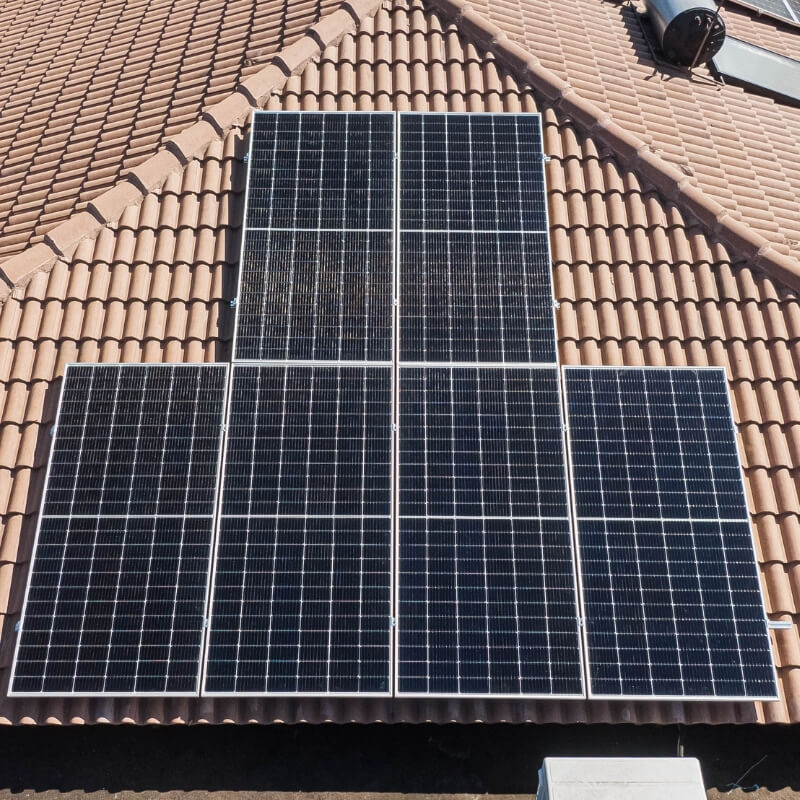
eNCA talks to Eddy Mokobodi from Sakisa Energy and Technology group warns against dodgy solar installations.
The search for reliable energy sources has many people turning to solar power. It offers a promising alternative during energy crises. But with its growing popularity, many companies have entered the solar market. This can make choosing the right installer tricky. Unverified videos online show solar panels catching fire. These incidents highlight the serious risks of poor installations.
It is crucial to pick a qualified installer. Substandard work can be very dangerous. It can even put your home at risk. Eddy Mokobodi from Sakisa Energy and Technology Group shares important advice on how to choose a safe and reliable solar provider.
Find a Trusted Solar Installer
Choosing a solar installer involves more than just picking the cheapest option. You need to do your homework. This ensures you get a safe and effective system.
Do Your Research
Start by doing some desktop research on potential installers. This means looking them up online before you even call them.
Here are some key things to check:
- Company Websites: Look at their official websites. Do they seem professional? Is information easy to find?
- Project History: Ask how many projects they have completed. A company with a strong track record shows experience. It also suggests they understand common challenges.
- Customer Reviews: Search for customer reviews. Look at feedback on their work quality and safety practices.
Check for Key Registrations
A big sign of a good installer is proper registration. This shows they meet industry standards.
SAPVIA Registration is Essential: The South African Photovoltaic Industry Association (SAPVIA) registers solar installers. Ask if your chosen installer is registered with SAPVIA. Registration means they have received specific training. This training helps them follow proper rules and safety guidelines. It reduces the chance of dangerous or faulty installations. Installers who are part of SAPVIA are less likely to cut corners. They are committed to quality work.
Understanding Electrical Safety
Solar systems connect directly to your home’s electrical system. This means electrical safety is very important.
The Importance of a COC
Every solar installation needs a Certificate of Compliance (COC). This document proves that the electrical work meets national safety standards.
- Ask for a COC: Always ask your installer if they will provide a COC once the installation is finished.
- Red Flags: If an installer hesitates or seems unsure about providing a COC, that is a major warning sign. It suggests they might not follow proper procedures.
- Qualified Electrician: A qualified electrician must do the wiring into your home’s electrical distribution board (DB box). This is vital. Without one, you risk serious electrical hazards in your home. This could lead to house fires, not just panel fires.
National Standards for Safety
Solar installations must follow specific national standards. The SANS 10142 (South African National Standard) guides the entire solar industry. This standard covers how solar systems should be installed safely. An installer who follows SANS 10142 ensures your system is compliant and safe. A COC confirms this compliance.
Why Solar Systems Catch Fire
While rare, solar system fires can happen. Understanding the causes helps you choose a safer installation.
Direct Current (DC) Power Risks
Solar panels work with Direct Current (DC). This current can reach very high voltages, often over 100 volts. If not handled correctly, DC power can be dangerous.
Here are specific issues that can lead to fires:
- Bad Connections: Loose or exposed cables are a major risk. They can create an “arc.” An arc is an electrical spark that generates extreme heat. This can quickly ignite nearby materials.
- Improper Insulation: Cables need correct insulation. Poorly insulated cables can short circuit. This also creates heat and fire risk.
- Incorrect Cable Sizing: Using cables that are too thin or not rated for the power can cause them to overheat.
Battery and Inverter Safety
Batteries store solar energy and are a critical part of most home solar systems. They also pose specific fire risks if not installed correctly.
- Battery Wiring: Just like panels, batteries need proper wiring. If the connecting wires between batteries are not the correct size, they can overheat. This is a common cause of battery-related fires.
- Inverter Connection: The inverter changes DC power from the panels and batteries into AC power for your home. Connections between the inverter, batteries, and your home’s DB box must be secure and correct.
The Role of Fuses and Isolators
Good solar systems include many safety features. These are designed to prevent fires and protect components.
- Fuses: Fuses are vital safety devices. They break an electrical circuit if too much current flows through it. This prevents overheating and fires.
- Isolators: Isolators allow you to safely disconnect parts of the system. This is important for maintenance or in an emergency.
A well-installed solar system will have:
- Fuses and isolators between the solar panels and the inverter.
- Fuses and an isolator between the battery bank and the inverter.
- Isolators between the inverter and your home’s DB box.
Each component needs these safety points. If something goes wrong in one part, these devices stop the problem from spreading. They keep the rest of the system safe.
Dodgy Installation Practices to Avoid
Many unsafe practices come from installers trying to cut costs. These shortcuts put your home at risk.
Watch out for these signs of poor quality work:
- Missing Fuses: Some installers skip installing fuses to save money. This removes a critical safety layer.
- Cutting and Joining Cables: Instead of buying cables of the correct length, some installers cut and join shorter cables. This creates weak points that can overheat or arc.
- Wrong Cable Types: Using incorrect or low-quality cables is very dangerous. For example, using thin radio wire for solar panels is a severe fire hazard. Solar systems need thick, purpose-built cables to handle high currents and voltages.
Conclusion
Investing in solar energy is a smart decision for many homeowners. But it is important to protect your investment and your home by choosing a reputable installer. Always do your research. Ask about their experience and check for SAPVIA registration. Make sure they will provide a Certificate of Compliance (COC). Understanding the critical safety features, like fuses and proper wiring, helps you spot a good installation from a bad one. By taking these steps, you can enjoy the benefits of solar power safely and without worry.