eNCA speaks to Eddy Mokobodi from Sakisa Energy and Technology group.
The daily reality of load shedding in South Africa has become a harsh norm for millions. Since December, power cuts have been an almost daily occurrence, disrupting lives and businesses alike. This persistent energy crisis is driving a growing need for alternative power supplies, with many South Africans now actively seeking solutions to keep their lights on. In a recent budget speech, Finance Minister Enoch Godongwana announced tax incentives aimed at encouraging the adoption of renewable energy. While this offers a glimmer of hope, it also highlights the potential for desperation to lead people into unsafe or ineffective installations. This guide, informed by insights from Eddie Mokobodi, Director of Sakisa Energy and Technology, will help you navigate the world of solar and green energy installations safely and effectively.
Introduction: The Growing Need for Alternative Energy in South Africa
South Africa’s struggle with daily power outages, commonly known as load shedding, has intensified significantly. Since December, these disruptions have been a near-constant feature of everyday life, impacting homes and industries profoundly. The government’s recognition of this challenge is evident in the recent budget speech, which introduced tax incentives to promote renewable energy adoption. While these incentives are welcome, they also underscore the urgency for consumers to find reliable power solutions. However, this surge in demand can unfortunately attract opportunistic individuals into the market. It’s crucial to understand what to look for to ensure your investment in green energy is safe and delivers the power you need.
This article aims to equip you with the knowledge to make informed decisions. We will explore the critical safety aspects of solar and other green energy installations. By understanding the risks and asking the right questions, you can safeguard your home and your finances. We’ll be drawing on the expertise of Eddie Mokobodi, Director of Sakisa Energy and Technology, to guide you through this essential process.
Section 1: Navigating the Solar Market: Avoiding the “Buckby Brigade”
As more people turn to solar power to escape load shedding, a concerning trend has emerged: the rise of the “Buckby Brigade.” This term describes individuals or companies entering the solar market without proper experience or qualifications, simply aiming to cash in on the high demand. They might offer seemingly attractive prices, but the risk of shoddy workmanship or unsafe installations is significant. It’s crucial to be aware of this phenomenon and take steps to protect yourself from falling victim to their practices.
Key Questions to Ask Potential Solar Installers
When seeking to install solar power, asking the right questions is your first line of defense. Don’t hesitate to probe potential installers about their experience and credentials. A reputable company will be transparent and happy to provide detailed answers.
- Track Record: Always inquire about the company’s history. How long have they been installing solar systems? What types of projects have they completed, and on what scale (residential or commercial)? You don’t want your home to be an experiment for an inexperienced team.
- Credentials and Certifications: Ensure the company provides an Electrical Certificate of Compliance (COC) for the installation. Also, ask if they are members of any recognized associations or voluntary bodies within the solar industry. This indicates a commitment to industry standards and ongoing professional development.
Section 2: Solar vs. Inverter & Battery: Understanding Your Options
When considering alternative energy, you’ll encounter terms like inverters, batteries, and solar panels. Understanding how these components work together is key to choosing the right solution for your needs. While an inverter and battery can provide backup power, solar panels are essential for generating your own electricity.
The Synergy of Solar Panels, Inverters, and Batteries
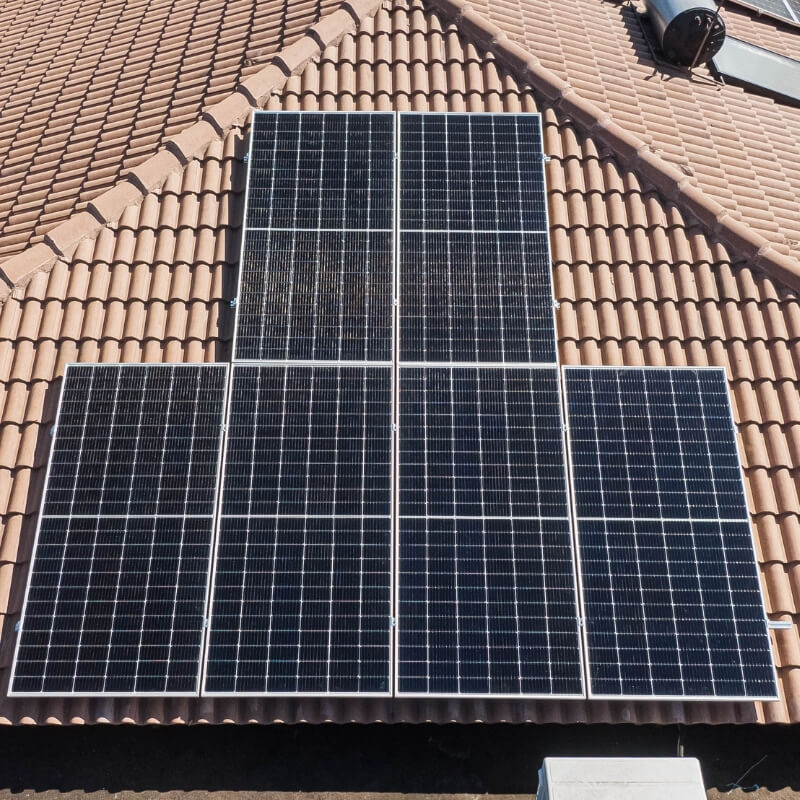
Solar panels capture sunlight and convert it into direct current (DC) electricity. This DC power is then fed into an inverter, which transforms it into alternating current (AC) electricity, the type used by your home appliances. Batteries store excess energy generated by the solar panels, allowing you to use solar power even when the sun isn’t shining or during load shedding.
Scalability and Future-Proofing Your Investment
The reality of extended load shedding means that a scalable system is highly advisable. If your budget doesn’t allow for a full solar panel, inverter, and battery setup immediately, start with an inverter and battery system that is “solar ready.” This means you can add solar panels later without needing to replace your existing equipment. For maximum security against power outages, investing in all three components offers the most robust solution, especially as load shedding stages worsen.
Section 3: Safety First: Mitigating Fire Risks with Solar Installations
The integration of electrical systems into homes, especially those dealing with high power loads like solar, carries inherent risks if not managed correctly. Unfortunately, there are instances where house fires have been directly linked to improper solar installations. This underscores the critical importance of prioritizing safety and competence over cost when selecting an installer.
The Real Risk of House Fires from Improper Installations
Electricity, by its nature, can generate sparks, and these sparks can ignite flammable materials. Components like solar panels, inverters, and batteries all operate with significant electrical currents. If connections are faulty, wiring is inadequate, or the equipment is not installed according to safety standards, the risk of electrical faults leading to fires is a genuine concern.
Essential Safety Checks and Due Diligence
Preventing such dangerous outcomes requires diligent attention to detail. Always verify the track record and competence of your chosen installer. Ask to see examples of their previous work and confirm they will provide an Electrical Certificate of Compliance (COC). Furthermore, never compromise on the quality of materials. While it might be tempting to opt for the cheapest supplier, remember that a significantly lower price often means compromises in quality or shortcuts in installation, which can have severe consequences down the line.
Section 4: The Efficacy of Inverters During Extended Load Shedding
A common question arising during severe load shedding is whether inverters truly remain effective. Some users report that their inverters only provide a few hours of power, which may not be sufficient when facing Stage 6 or higher power cuts. This concern stems from the limitations of smaller battery systems and the challenges of recharging them quickly enough.
Addressing Concerns About Inverter Recharge Times
When load shedding is frequent and prolonged, inverters and batteries can struggle to recharge adequately. A standard inverter and battery setup is typically designed to power essential loads—like lights, your fridge, and a TV—for a limited duration. If the power cuts are longer than the system’s capacity or recharge capability, its usefulness can be significantly reduced.
Strategies for Extended Power Availability
To effectively manage prolonged load shedding with inverters, scalability is key. Systems that allow for additional batteries to be added offer a solution to extend backup power duration. Essentially, the longer you need power, the larger your battery bank needs to be. While this requires a greater financial investment, it’s crucial for ensuring a consistent power supply during the most challenging load shedding stages. Managing your essential loads efficiently also plays a vital role in maximizing the time your inverter and battery system can keep your household running.
Conclusion: Making an Informed Decision for a Brighter Future
The persistent load shedding in South Africa makes alternative energy solutions not just a convenience, but a necessity. However, as you seek to secure your power supply, remember that safety and expertise are paramount. Thoroughly vetting solar installers, understanding the components of your system, and prioritizing quality over cost are crucial steps. Choose scalable systems that can grow with your needs and budget. By asking the right questions and conducting diligent research, you can make an informed decision about your solar energy installation. Consulting with reputable professionals is your best strategy for a safe, effective, and brighter energy future, free from the anxieties of constant power cuts.