Newzroom Afrika’s business reporter, Ntokozo Khumalo, explores the energy alternatives consumers have. Speaks to Eddy Mokobodi.
South Africa’s national energy regulator has hit the pause button on Eskom’s tariff hike announcement. This comes as the utility sought an increase of over 20 percent. The postponement arrives at a critical time. The nation grapples with consistent power outages and soaring electricity expenses. Eskom’s financial troubles underscore the broader issues in South Africa’s energy sector. This situation makes alternative solutions more vital than ever.
With Eskom under financial strain, many South Africans are looking beyond the national grid. This opens a significant door for alternative energy sources. Solar power, in particular, is emerging as a strong contender. It can alleviate the growing frustration and financial burden on homes and businesses alike.
The Eskom Tariff Hike Dilemma and Its Impact
Eskom, South Africa’s main electricity provider, is facing severe financial difficulties. This has led them to request a substantial tariff increase, exceeding 20 percent. The national energy regulator’s decision to postpone this announcement means uncertainty remains. This delay, however, does little to address the root cause of Eskom’s financial strain.
For households and businesses, a significant electricity tariff hike translates directly into higher operating costs. This impacts budgets and can stifle economic activity. The ripple effect of increased energy expenses can be felt across various sectors, making daily life and commerce more challenging.
Solar Power: A Viable Alternative for South Africa
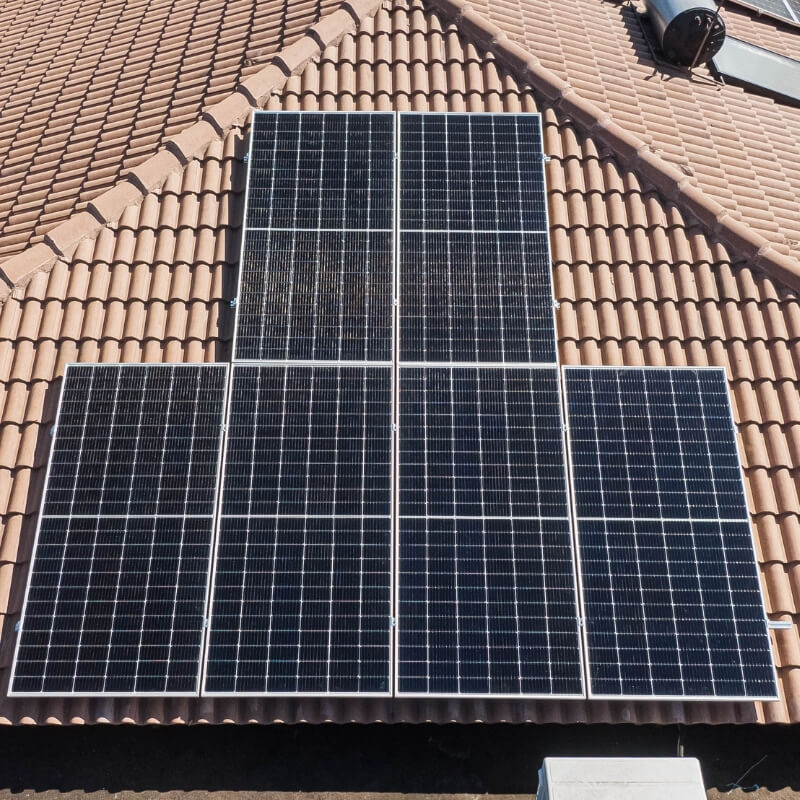
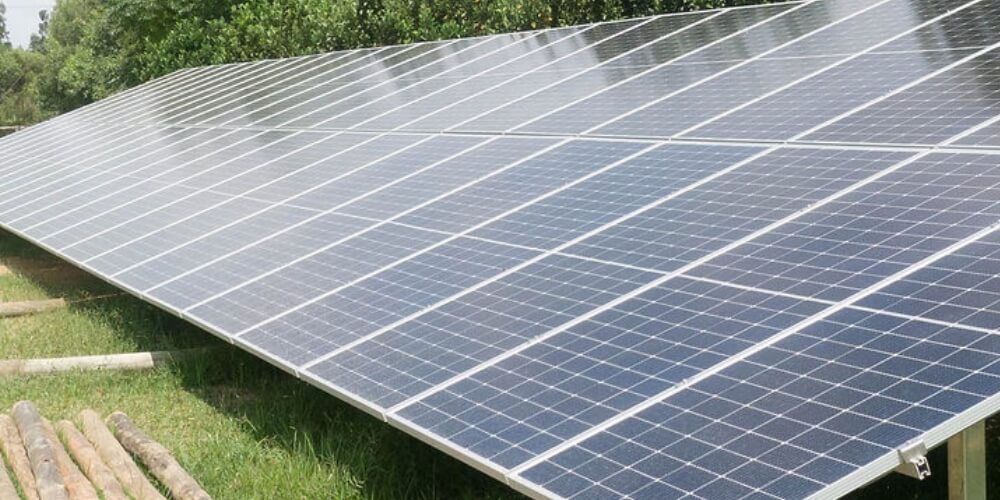
As South Africans face the prospect of higher electricity bills and ongoing load shedding, solar power offers a ray of hope. Eddie Mokobodi, director at Sakisa Energy and Technology Group, notes that the solar industry is perfectly positioned to help. It can fill the gap for frustrated consumers seeking reliable energy. Investing in solar systems can provide a much-needed alternative to traditional, unreliable power sources.
For those willing and able to make the switch, solar power presents a compelling long-term solution. While there’s an initial investment, the potential for significant savings on electricity bills over time is substantial. Solar energy can become a more cost-effective and dependable power source, providing a buffer against Eskom’s rising costs and intermittent supply.
Navigating the Solar Installation Landscape
Making the move to solar energy requires careful planning and informed decisions. It’s crucial for consumers to research thoroughly before selecting a solar installation company. Eddie Mokobodi warns about “fly-by-night” operations and substandard products flooding the market. Doing your homework ensures you invest in a reliable system from a reputable provider.
Understanding the technology is equally important. You can get many different types of solar panels and battery storage systems. Researching these options helps you choose the best fit for your needs and budget. This due diligence protects your investment and ensures you receive a quality solar solution.
The Lifespan and Reliability of Solar and Wind Systems
When considering solar or wind power, understanding the equipment’s longevity is key. These systems, along with battery storage, typically have a lifespan ranging from 15 to 30 years. This long operational life contributes to their value as a sustainable energy investment.
The reliability of these renewable energy solutions is also a significant advantage. Unlike the volatile grid, a well-installed solar system can provide consistent power. This offers a sense of security and control over your energy supply, reducing dependence on external factors.
Financial Sector Support for Renewable Energy
Thankfully, the financial sector is increasingly recognizing the potential of renewable energy. Investors and financial institutions are stepping in to fill crucial funding gaps. This private sector involvement is vital for expanding access to solar energy solutions.
Matthew Cruz highlights that the banking sector is now actively supporting solar installations. He expresses hope that this private sector engagement will help compensate for past failures in government and Eskom’s energy planning. This financial backing makes it easier for households to fund solar and battery installations, leading to immediate savings.
Funding Solar and Battery Storage for Households
With the rise in electricity costs, financial institutions are making it more accessible for homeowners to invest in solar power. They are providing funding for solar panel and battery storage systems. This allows individuals to take control of their energy needs.
Even with the initial outlay for a solar system, the savings can begin immediately. As Eskom’s tariffs continue to climb, the cost-effectiveness of solar becomes even more apparent. This makes it an attractive option for consumers looking to manage their household expenses.
Government Initiatives and the Residential Solar Boom
The South African government is also taking steps to boost renewable energy. The Minister of Mineral Resources and Energy recently announced additional projects under the fifth window of the renewable energy Independent Power Producer (IPP) Procurement Program. This initiative aims to increase the country’s reliance on cleaner energy sources.
In parallel, South Africa is experiencing a significant boom in residential solar installations. Households are importing substantial amounts of solar equipment. In the first five months of 2022 alone, over 2.2 billion Rand worth of equipment was brought into the country. This surge demonstrates a clear trend towards solar adoption by consumers.
Conclusion
South Africa finds itself at a critical juncture concerning its energy future. Escalating costs and unreliable power from Eskom demand a swift move toward sustainable and affordable alternatives. Solar power, bolstered by growing private sector investment and government programs, offers a real solution. It can help offset the impact of tariff hikes and frequent power outages.
By carefully researching reputable installers and understanding available technologies, South African consumers can confidently invest in solar energy. This investment promises significant long-term savings and contributes to a more stable energy future. The current surge in residential solar installations, along with increased financial backing, points towards a promising path for energy independence.